

Complete solution for smoke evacuation
SCS - Smoke Control
Smoke
Smoke control system
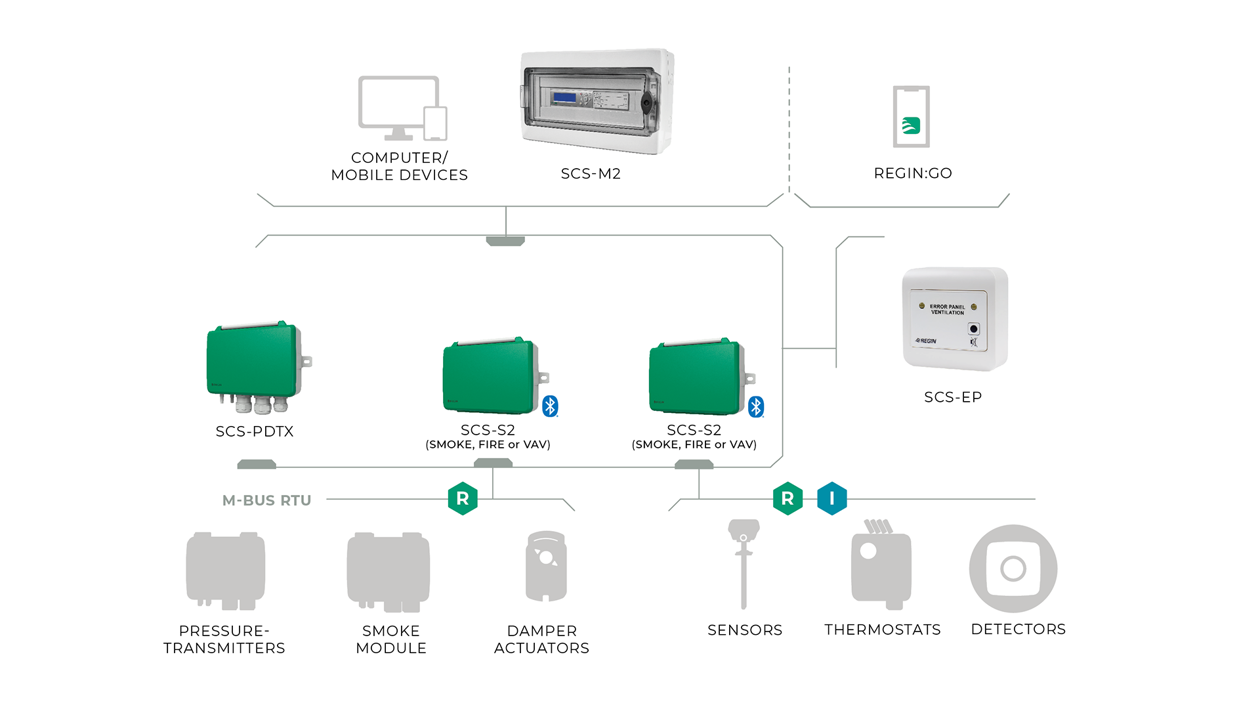
The Regin Smoke Control System (SCS) is a complete, intelligent, and self-monitoring smoke control solution that can control and test up to 60 dampers.
The main components in the is the SCS-M2 master unit and SCS-S2 damper units, which together control and monitor components such as smoke detectors, temperature sensors, VAV units, smoke control dampers, fire dampers, Automatic fire alarm (AFA), Air handling unit (AHU) and the smoke evacuation fan (SEF).
Key features
Scalable system
Scalable smoke control for a wide range of building types.
Faster installation & commissioning
With simplified wiring and Regin:GO app, applicable for SCS-S2 damper unit, you receive a faster installation and commissioning.
Triggers
Triggers smoke scenarios instantly via fire alarm input.
Integration
Modbus/BACnet BMS integration for monitoring + control.
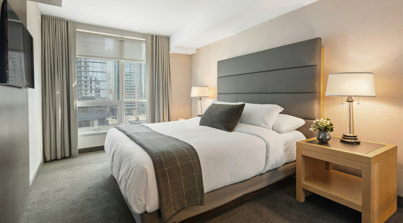
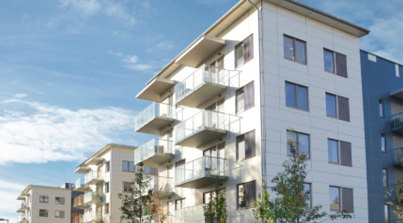
Tailored solutions for any type of building

Products
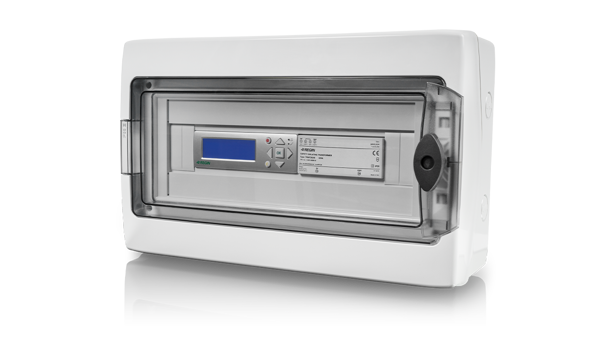
SCS-M2 Master Unit
The SCS-M2 master unit is the main controller in the Regin smoke control system and can be used as a stand-alone system. Designed for effortless and easy configuration, it ensures swift setup and seamless operation.
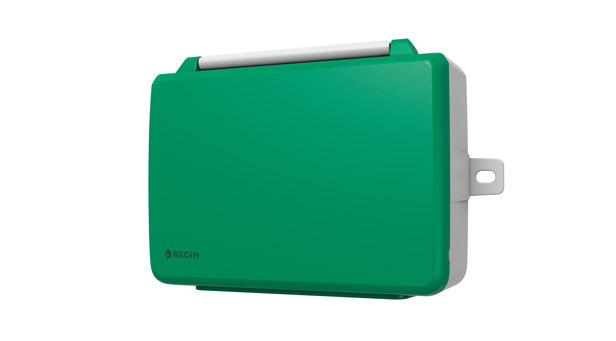
SCS-S2 Damper Unit
Damper unit with Modbus communication to be connected to a Modbus master controller. Can be connected to the Regin:GO app through Bluetooth® for easier commissioning.
Regin:GO
The Regin:GO app offers a simple and user-friendly software tool that makes it easier to control, configure and test Regin's wireless Bluetooth products.

I want to know more about smoke solutions. Contact me!
FAQ - Frequently asked questions
What is a smoke control system?
A smoke control system is designed to manage smoke during a fire to improve building safety and support evacuation. It works by controlling airflows, dampers, and fans to keep escape routes clear, limit smoke spread between zones, and allow firefighters safe access to the building.
How does a smoke evacuation system work?
A smoke evacuation system automatically activates during a fire event to extract smoke from the building and ventilation system. Fire dampers isolate the fire cell while smoke control dampers open, and the smoke evacuation fan (SEF) removes smoke without adding oxygen to the fire. The air handling unit (AHU) is also automatically stopped to prevent smoke redistribution. This helps maintain visibility, reduce heat buildup, and support safer evacuation conditions.
What components are included in Regin’s smoke control system?
Regin’s Smoke Control System is a complete, intelligent, and self-monitoring solution. The full system consists of:
- SCS-M2 master unit (main controller)
- SCS-S2 damper units, commissioned via Bluetooth in Regin:GO app
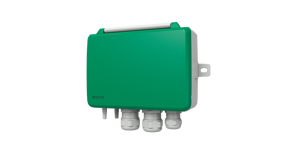
- SCS-PDTX differential pressure transmitter
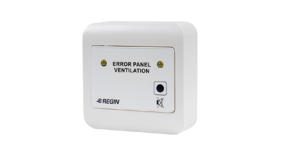
- SCS-EP error panel
- Fire dampers and smoke control dampers
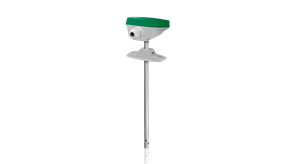
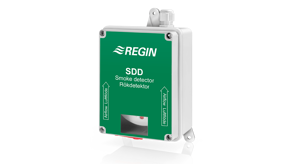
- Duct and ceiling smoke detectors
- Temperature sensors
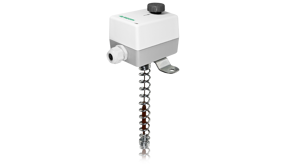
- Duct thermostat
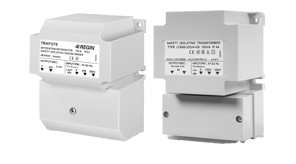
- Power-supply units
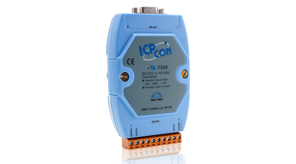
- REPEAT485 signal repeater
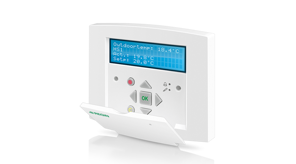
- External display
Which communication protocols are supported for smoke control integration?
The SCS-M2 master unit supports BACnet/IP, Modbus/IP, and EXOline-TCP over Ethernet, as well as BACnet MS/TP and Modbus RTU over the serial RS-485 port. The SCS-S2 damper units communicate internally with the master via Modbus over RS-485.
What is the primary purpose of a smoke control system?
A smoke control system is designed to manage the spread of smoke within a building during a fire event. Its main goals are to keep escape routes clear of smoke, support safe evacuation of occupants, and facilitate firefighter access. This is achieved by extracting smoke from affected zones and controlling dampers to isolate fire cells.
How does a smoke control system interact with the building’s fire alarm system?
The SCS-M2 master unit connects directly to an Automatic Fire Alarm (AFA) system via a dedicated input. When an external fire alarm is received, all dampers go into fire alarm position, and the smoke evacuation fan (SEF) activates. The AHU is also stopped automatically. The system can also be triggered by connected smoke detectors, a fire thermostat, or a PT1000 temperature sensor at high temperature.
Can a smoke control system also serve as normal ventilation?
The Regin SCS operates in distinct system modes: Normal, Exercise, Emergency, and Fire Alarm. In Normal mode, the AHU runs, and dampers operate according to their configured function. The system automatically switches to the appropriate mode when an alarm is triggered. A Night mode is also available, in which fire and smoke dampers close without a sound alarm when activated from the AHU, for lower energy consumption outside occupied hours.